Skip to content
UpNorthAmbassadors

What we do

Eight things, and they only work together.

A message with no network never arrives. A network with no reach only ever talks to the same people. A movement that only arrives to ask for something is one communities learn to avoid.

  1. 01

    Go where the people are

    Plan outward from the centres, not around them. The communities furthest from a campaign office are the ones an organised network exists to reach.

  2. 02

    Understand the community

    Learn the local operating environment, the existing structures and the people who matter in them, before proposing anything.

  3. 03

    Build relationships

    Contact is the point. A relationship established through a conversation outlasts a rally that visited once and left.

  4. 04

    Organise locally

    Hand responsibility to a coordinator who lives there. Local leadership is what allows the structure to survive the end of a campaign.

01

Grassroots Reach

We take organised political engagement past the major cities and into communities that conventional structures struggle to reach.

Most campaign activity concentrates where it is easiest to run: the state capitals, the big markets, the places a convoy can reach and leave the same day. The communities beyond them hear about a movement without ever meeting one.

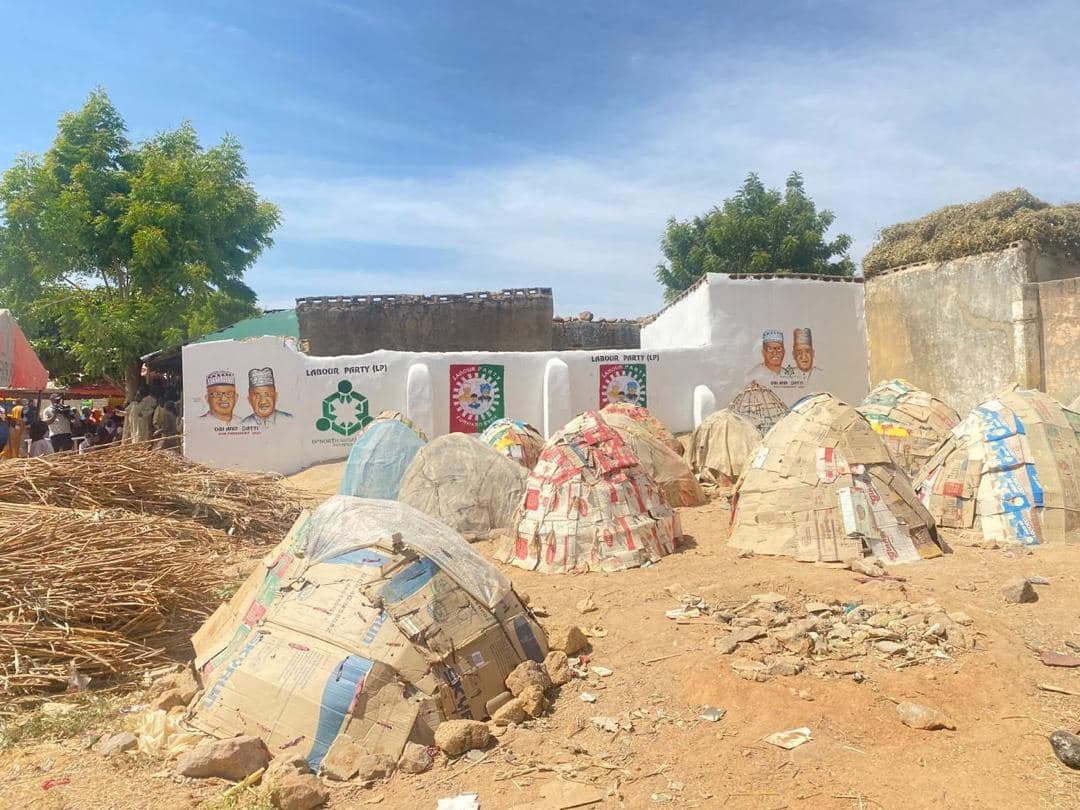
Our activity is planned in the opposite direction. We work outward from the centres into rural and hard-to-reach communities, particularly across parts of the North East and North West, and we go with people who are already known there.
Ambassadors arriving in a rural northern community of mud-brick houses.

02

Community Engagement

Rallies, town halls, meetings and community activities designed to create direct connections between a movement and ordinary citizens.

Community engagement is the whole method, not a warm-up for it. Our field record is built from grassroots engagement, community activities, meetings, rallies and initiatives whose purpose is contact: a conversation with a real person in the place they live.

The philosophy is simple: go where the people are, understand the community, build relationships, and organise locally.

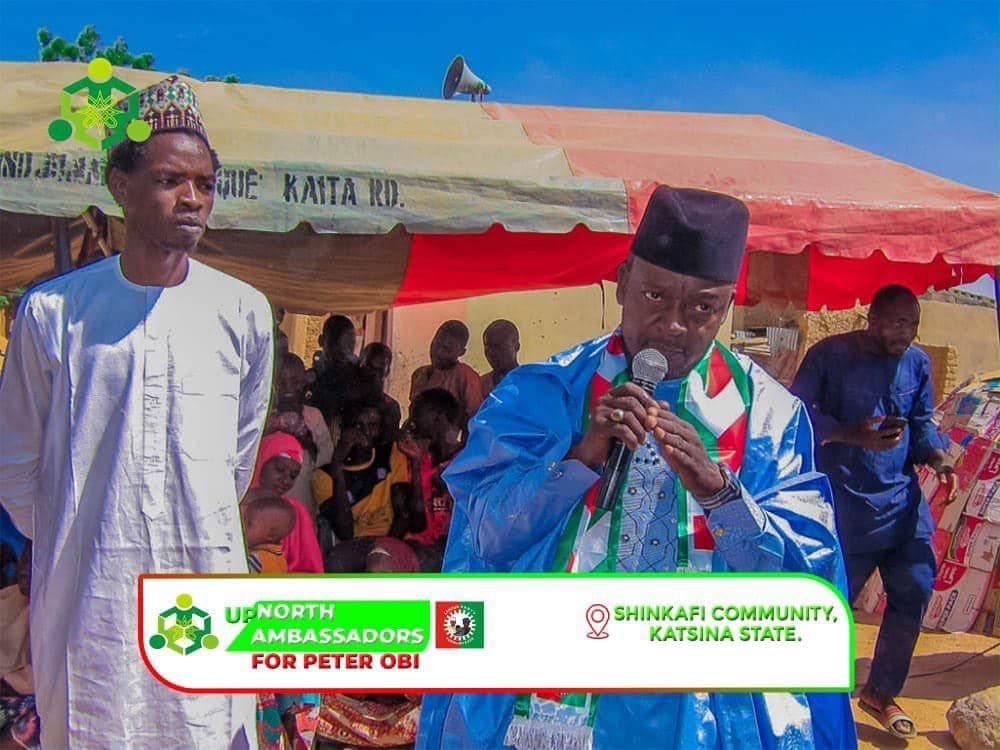
A community elder addressing a gathering through a microphone.

03

Local Coordination

We develop local leadership and coordination capacity so communities are organised by the people who live in them.

A movement that has to send someone in from outside for every activity is not a network. It is a travelling team. We invest instead in coordinators drawn from the states, LGAs and wards they organise.

A three-day Leadership Workshop on Strategic Grassroots Mobilisation, held in Jos, equipped coordinators with the strategies for organising and engaging their own communities. That model of training the local leader rather than deploying a stranger is what makes the structure hold between elections.

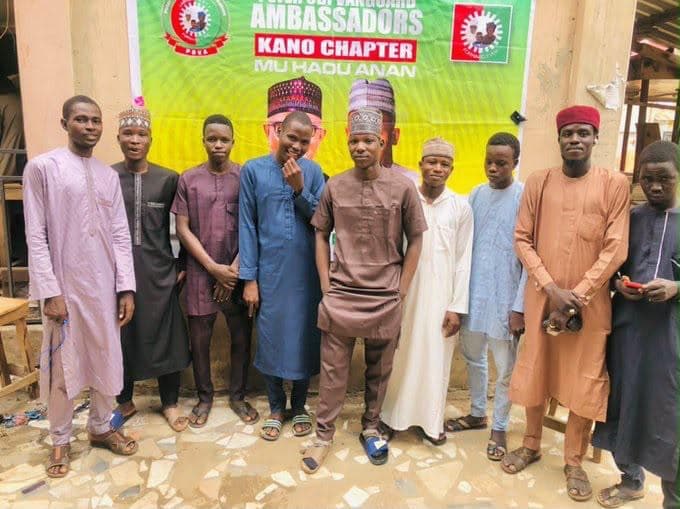
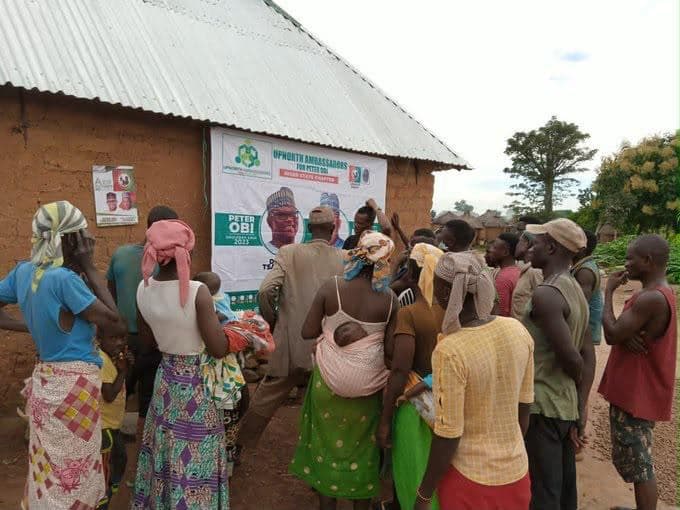
A state chapter of coordinators assembled together.

04

Youth Mobilisation

A youth-led movement organising young Nigerians into the political process as participants rather than as an audience.

Northern Nigeria is overwhelmingly young, and young people are the group most often addressed by campaigns and least often organised by them. UpNorth Ambassadors is led by young organisers and built to bring young people into the work itself: coordinating, mobilising, documenting and communicating.

This is what a decentralised network makes possible. Responsibility sits with local young leaders, close to the community, rather than with a headquarters that has to approve every decision.

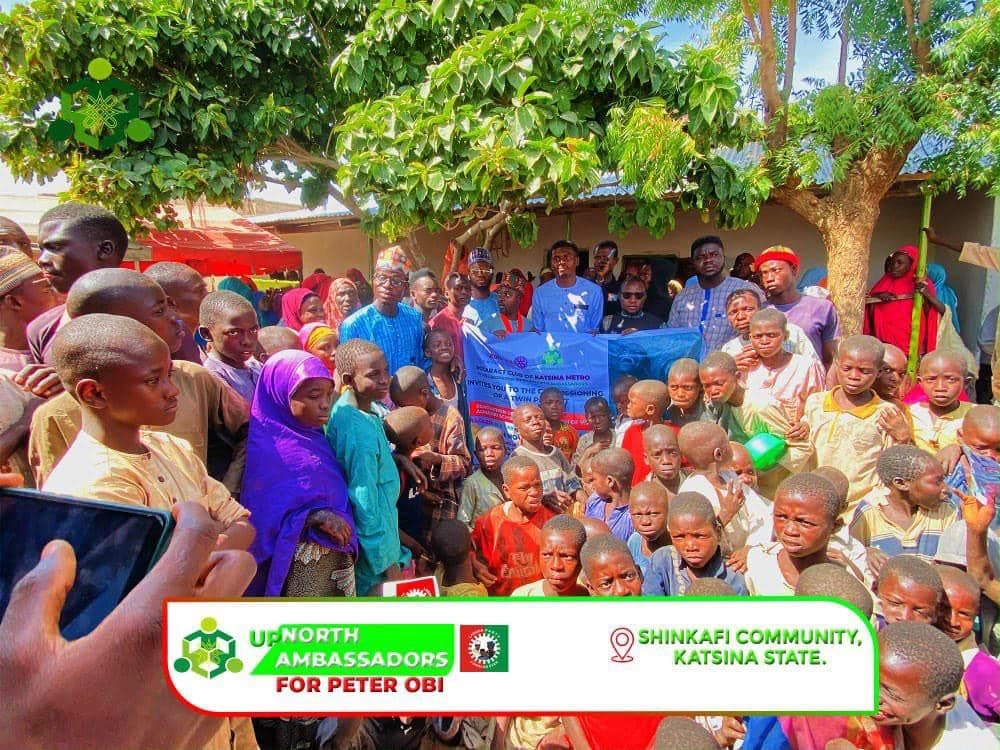
Families and children at a community activity in Shinkafi.

05

Digital Communication

Social media, campaign messaging and content that extend the reach of grassroots activity far beyond the people physically present.

Physical mobilisation and digital communication reinforce each other. An activity in a ward reaches the community that attended it; the same activity, documented and published, reaches everyone in the state who did not.

We use digital platforms to mobilise, to educate supporters and to amplify what the field is doing, so the record of the work is public, and the message reaches communities the convoy has not visited yet.

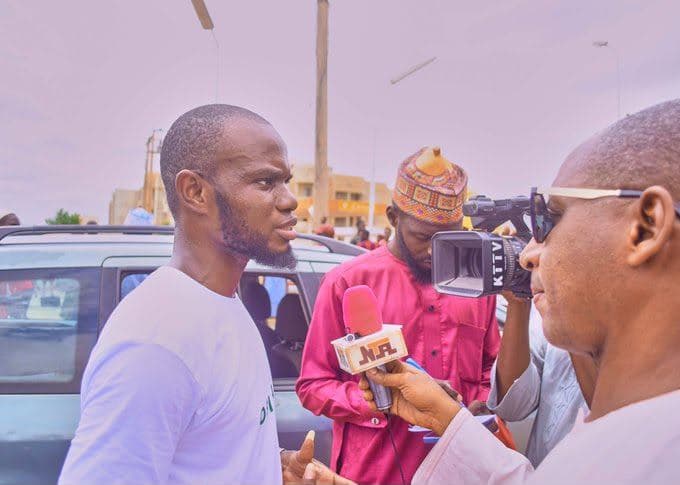
An ambassador being interviewed by a journalist with a microphone and camera.

06

Field Operations

Volunteer mobilisation, activity planning and on-the-ground execution across a wide and difficult geography.

Field operations are the logistics of turning intention into activity: mobilising volunteers, planning what happens where, moving people and equipment, and executing on the day in places that are far apart and not always easy to reach.

It is unglamorous and it is the difference between a movement that exists online and one that shows up.

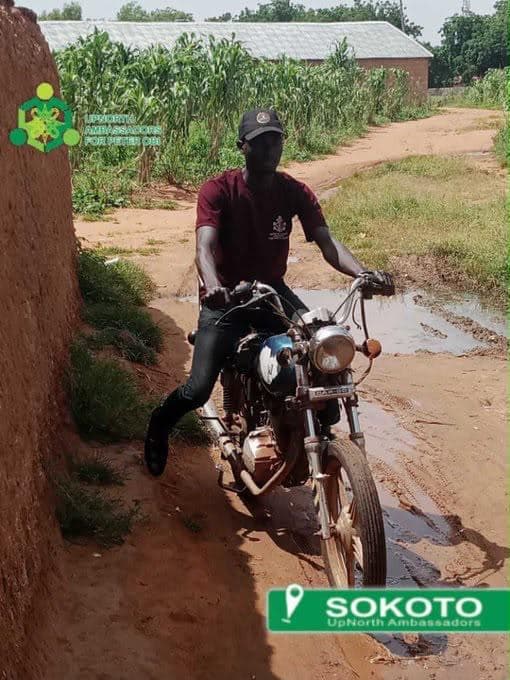
An ambassador riding a motorcycle along a rural track to reach a community.

07

Civic Participation

Democratic advocacy and civic engagement that continue after the ballots are counted.

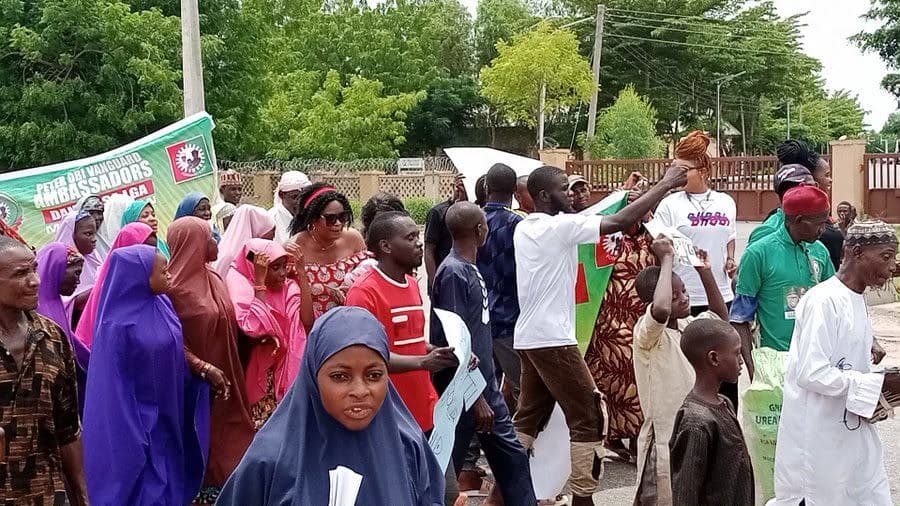
The movement's activity did not end with the 2023 presidential election. UpNorth Ambassadors was publicly involved in post-election civic and democratic advocacy, including participation in demonstrations and calls concerning the presidential election litigation process.

Organising people is a civic capability, not only an electoral one. A network built to reach communities during a campaign is the same network that can reach them about their rights, their institutions and their participation in between.

A street march with flags and campaign banners.

08

Community Projects

Building, water and education projects delivered in the communities we organise in, not as an afterthought to campaigning, but as part of it.

The Makaranta Almajiri Project rebuilt and re-roofed an almajiri school. A community mosque was stripped, repaired, ceiled and fitted out. Hand-dug wells were sunk where there was no clean water, and murals were painted on community walls where there was no other way to carry a message.

A movement that only ever arrives to ask for something is a movement people learn to avoid. Projects are how the relationship survives the campaign that started it.

See the projects
A community school rebuild in progress, with building materials on site.

The thing that ties all eight together

Every one of them is run by somebody who already lives there.

That is the difference between a network and a travelling team, and it is the whole reason the structure survived the end of a campaign.

Organise where you live.

Tell us your state, your LGA and the community you know. That is how the network grows: one person who is already there, rather than a team sent in from somewhere else.